Lose the lawn
Replace water-hungry turf with secondary outdoor living spaces that belong in Utah.
Site plan, removal strategy, irrigation, planting, materials
Garden design for Salt Lake City
Water-wise yards with flowers, shade, and room for birds, bees, and humans.
Water-wise does not have to mean rock and a few lonely plants. We design with shade, softness, movement, and color.
Each plan starts with your house, your habits, and Utah's unique climate. The result uses less water, takes less time, and feels more alive.
Extending your livable space.
Drag the handle to compare. You can also use the arrow keys.
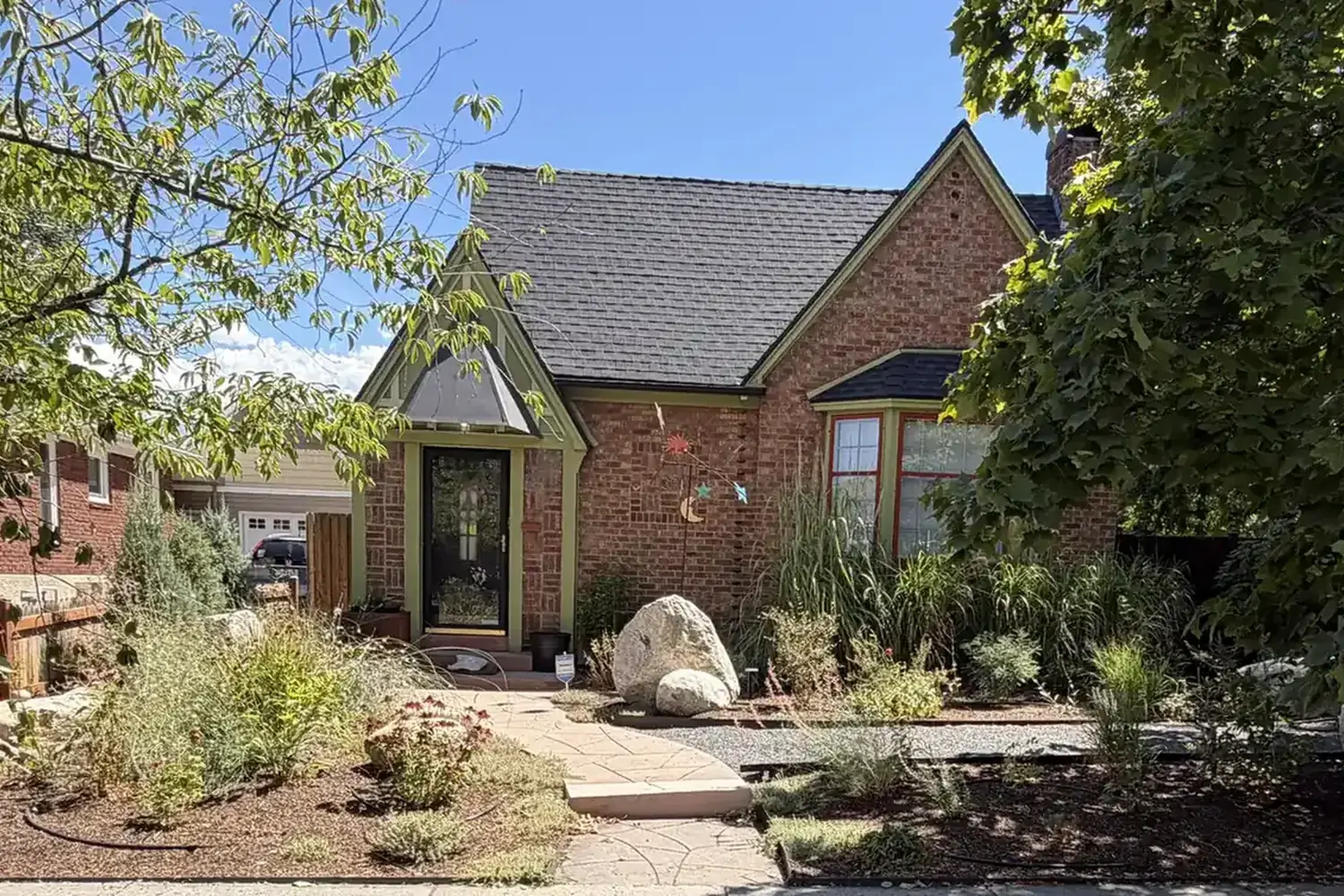
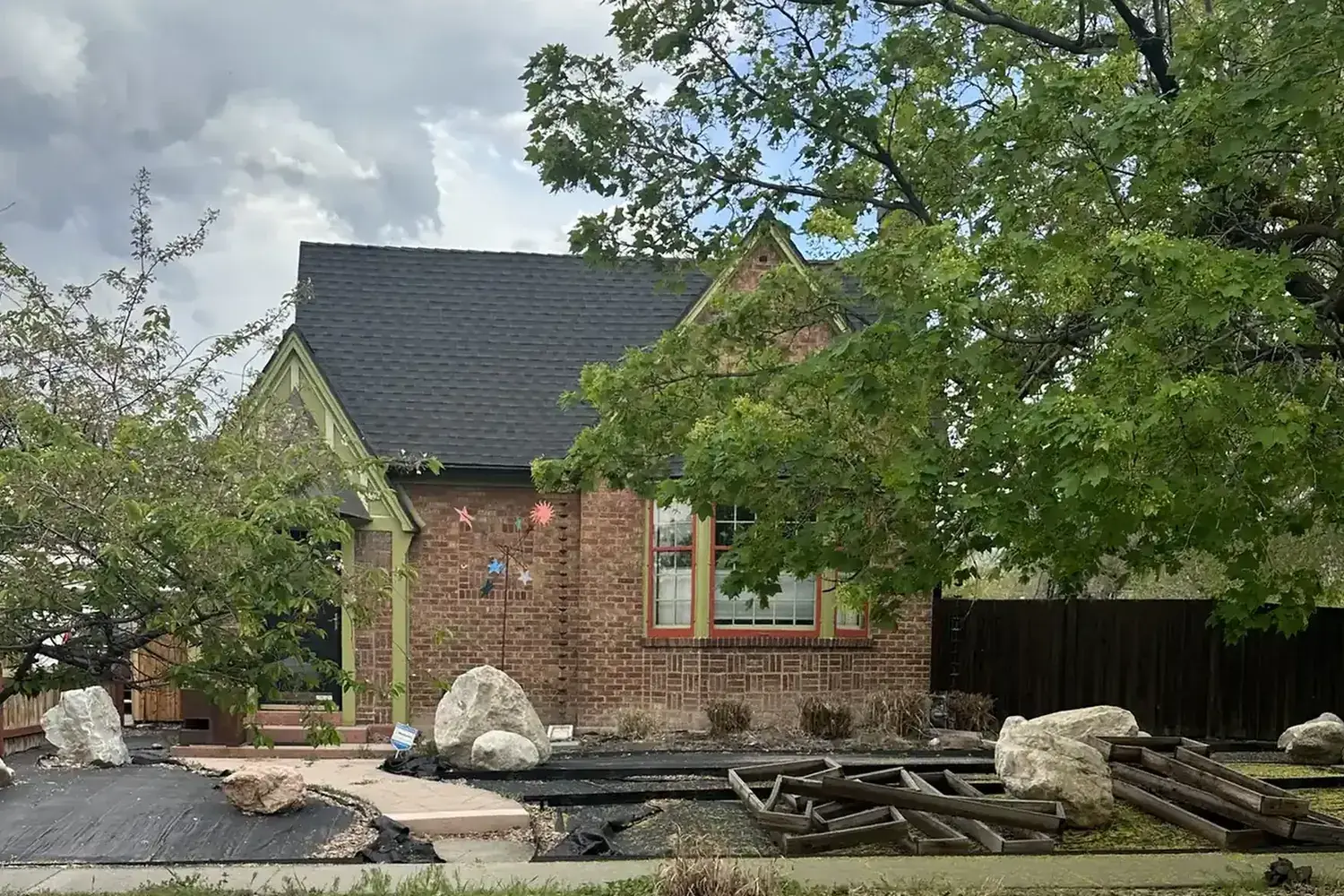
Front-yard redesign
Patchy turf became a layered garden with an airy shade tree, curved beds, and drought-ready plants that have room to spread.
Lavender / silver sage / serviceberry / blue grama / roses
Every plan helps create beautifully functional space for the people who live there.
Replace water-hungry turf with secondary outdoor living spaces that belong in Utah.
Site plan, removal strategy, irrigation, planting, materials
Front, back, and side garden beds become one plan you can build now or phase over time.
Master plan, hardscape, plant material, lighting, phasing
Choose trees, shrubs, grasses, and flowers for every season, with care notes you can easily implement.
Plant palette, sourcing, installation, seasonal care plan
Testimonials
Sample copy for layout review only.
“We wanted less lawn, not a yard full of rocks. Now we have flowers and shade.”
“The plan made every decision easier, and our installer knew exactly what to build.”
“Our yard finally feels like part of the house. We use it every day.”
Reconnect with yourself, friends and family, and Mother Nature.
We look at sun, water, soil, slopes, and how you want to spend time outside.
We collaborate together to bring your personalized vision alive.
Our commitment to you is honesty and transparency through the completion of the project and beyond.
Post-project care instructions set your new babies up to thrive.
Good to know
The things worth knowing before you change a yard in this climate.
Rock stores heat all day and radiates it back at everything growing in it, which stresses the plants and makes the yard unpleasant to stand in on a July afternoon. Nothing breaks down into it either, so the soil underneath gets harder and less able to hold what water it does get. And it is close to permanent. Pulling rock back out of a bed is a far bigger job than putting it in. Shade, planting and paths are what actually bring the water use down.
If the only two choices were a rock yard and a lawn, we would take the lawn. Grass is at least alive: it cools the air around it, holds the soil together, and can be turned into planting beds later. Rock does none of that and is hard to undo. But it is a false choice. We design for less lawn and more planting, keeping turf only where it earns its place. That means somewhere for children or a dog to play, not a strip along the street that nobody has ever walked on.
We partner with Progressive Plants, a Utah nursery that grows most of its own stock for Rocky Mountain gardens. Buying from a local grower means the plants in your plan have already come through a Utah winter and a Utah summer before they reach your yard, and that when we specify something we know we can actually get it, instead of drawing a plan around a plant that turns out to be unavailable.
Constantly. It is most of what shapes a plan above the valley. Jeremy Ranch, Pinebrook and Park City are deer country, and the honest answer is that nothing is deer-proof: a hungry deer at the end of a hard winter will try anything once. What works is plant choice. Aromatic, fuzzy, leathery and resinous plants get browsed last, so the structure of the planting is built from those, and the things deer treat as dessert either stay out of the plan or go up against the house where they can be watched.
Not remotely, and assuming otherwise is the most expensive mistake we see. Jeremy Ranch and Park City sit in USDA hardiness zones 3 and 4. That means a short season, deep winter frost, and late spring freezes that arrive after everything has already broken bud. The valley floor is several zones milder. A plant list that thrives in Sugar House can be killed outright by one winter up the canyon, so the plan gets drawn for the elevation it will actually be built at.
Often, and they are worth looking into before the work starts rather than after. Slow the Flow is the place to begin. It is where Utah collects its current water-conservation and lawn-removal programs. What is on offer changes from year to year and most programs want you approved before any grass comes out, so it is a first-week question rather than a last-week one. Where a rebate is in play we will design to its requirements.
More than people expect for the first two years, then far less than a lawn for the rest of its life. Drought-tolerant does not mean drought-tolerant on the day it goes in. A plant has to grow the root system that makes it tough, and it cannot do that dry. You get a watering schedule that steps down over the first two seasons, and it tells you when you can more or less stop.
Fall, more often than not. Going in during September and October lets roots settle through a cool, damp winter, so the plant meets its first Utah summer already anchored. Spring works too. Midsummer is the hard one. Everything planted in July needs watching and watering to get through its first month, and the design work is better done while you wait.
Patchy lawn? Too much water? Nowhere to sit? Tell us what you have and what you want instead.
Venmo, check, cash
Ask us about our cash discount.